
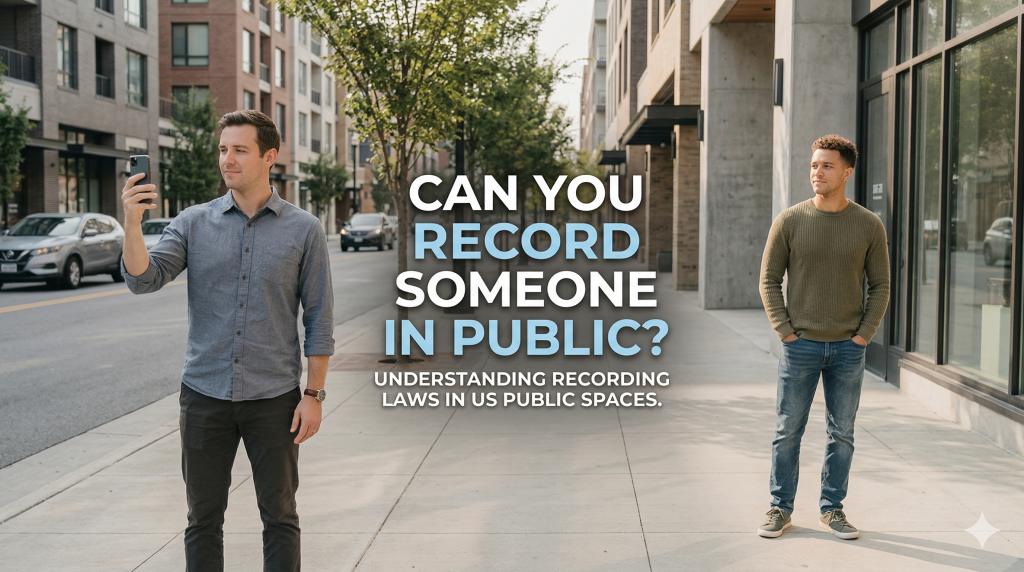
Smartphones have made it easy for anyone to record what they see in public. In many situations, people do have the right to video matters of public interest in public places, and courts in the Eleventh Circuit have recognized First Amendment protection for recording public officials in public spaces, subject to reasonable time, place, and manner restrictions. At the same time, Florida law generally prohibits secretly intercepting certain oral communications when there is a legally protected expectation of privacy, so the setting still matters.
What clients need to remember is this: even if the person filming you is annoying, provocative, rude, or trying to get a reaction, you should not put your hands on them or on their phone. Under Florida law, a battery can occur when a person “actually and intentionally touches or strikes” another person against that person’s will. That means swatting a hand, shoving someone away, grabbing a phone, or knocking a device to the ground can create criminal exposure. In most cases, simple battery is a first-degree misdemeanor in Florida.
This is where many people make a costly mistake. They focus on whether the other person “started it” by recording, crowding, or provoking them. But the legal issue often becomes much simpler for law enforcement: who made physical contact first? Once there is unwanted touching, the argument can quickly shift away from the camera and toward a battery charge, an arrest, or both.
The safer response is simple:
stay calm, do not touch the person, do not touch the phone, and create distance if possible. If the situation feels threatening, call law enforcement or move to a safer location. If the recording is happening in a place where privacy rights may be implicated, or if the conduct becomes harassing or obstructive, there may be lawful ways to address it—but self-help through physical force is usually the worst option.
In today’s world, a few seconds of anger can lead to criminal charges, civil claims, and a video that lives online forever. The better course is to protect yourself legally, not react physically.
If you have questions about your rights, have been accused of misconduct arising from a confrontation, or need advice about a recording-related dispute, contact Isriel Ponzoli, P.A.We are here to help you respond strategically and protect your interests.